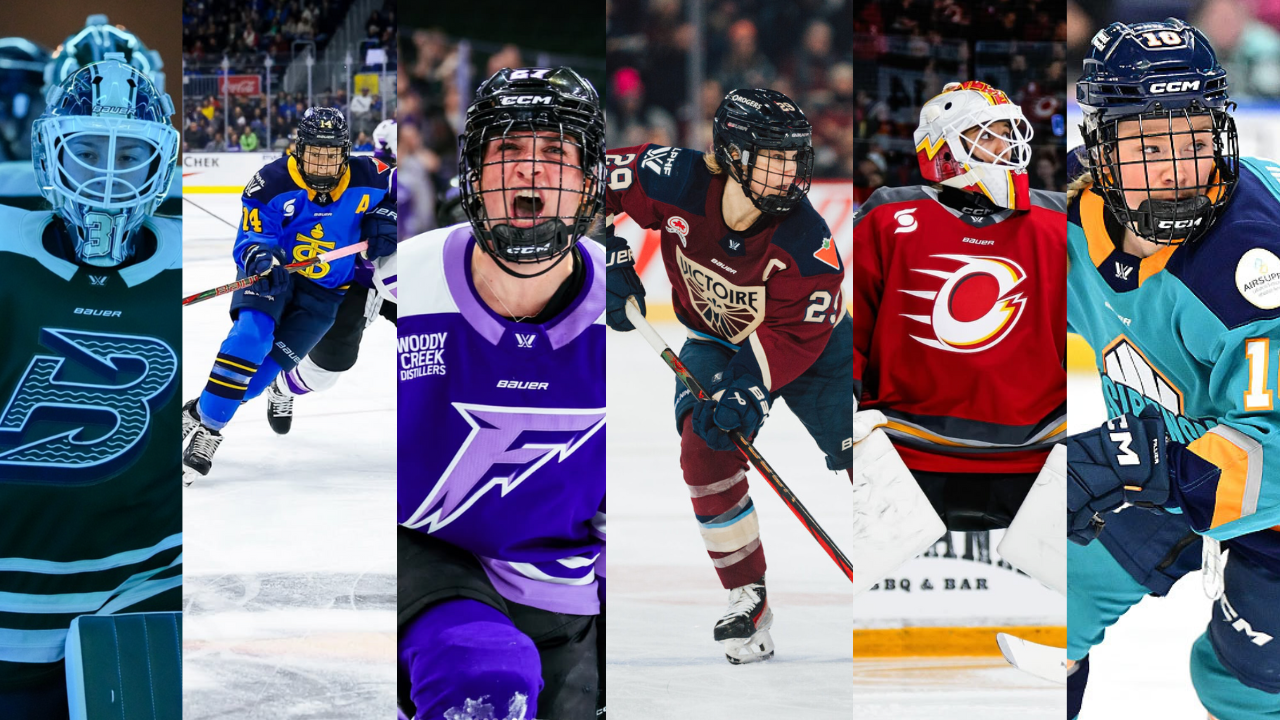
Everything you need to know about the PWHL expansion: how it works, who was protected, and what each decision says about the teams' strategy.
Big changes are coming to the PWHL. As the Professional Women’s Hockey League gets ready to welcome two new teams, Seattle and Vancouver, the league is going through its first-ever expansion draft. To help the newcomers build competitive rosters, each of the six existing teams were required to submit a list of protected players, players they don't want to lose.
How Expansion Works
Player Protection List
On June 3, each existing team submitted a list of three protected players. These players cannot be selected by the expansion teams. Once two unprotected players from a team are drafted, that team may then protect a fourth player.
To be eligible for protection, a player must either be under contract for the 2025–26 season or have their playing rights held by the team (even if not yet signed).
Exclusive Signing Window
Between June 4 and June 8, Seattle and Vancouver have an exclusive five-day window to sign up to five players each. These can include any unprotected players or players on expiring contracts.
Expansion Draft
On June 9, Seattle and Vancouver will each select at least seven players, building toward a 12-player roster. Eligible players include those unprotected but under contract or whose rights are held through the 2025–26 season. The order of selection for Seattle and Vancouver will be announced soon.
2025 PWHL Draft
The league’s annual draft will take place on June 24 in Ottawa and feature six rounds. All eight teams will participate, selecting from a pool of eligible players, including NCAA graduates and players from other professional leagues. The New York Sirens will pick first overall, based on the league’s Gold Plan system (a weighted lottery based on regular season performance).
We can expect major roster shake-ups in the coming weeks. While some argue that protecting only three players leaves existing teams too exposed, it’s worth noting that salary caps are still in place. That means Seattle and Vancouver can’t simply scoop up all the biggest stars. Talent will be more evenly distributed than it may appear at first glance.
Protected Players List Announced
Each team has announced their three protected players, and the decisions include a few surprises. Some good, others more questionable. Here’s a look at each team’s choices and what I might have done differently.
Montreal Victoire
- Marie-Philip Poulin
- Laura Stacey
- Ann-Renee Desbiens
No surprises here, Poulin and Desbiens were always going to be protected. Stacey is a strong, reliable forward, but with defenders like Ambrose and Barnes left unprotected, the decision raises some questions. For a team that’s expressed a desire to build more depth, protecting the same trio feels cautious. Ambrose in particular has been a key piece on the blue line, and losing her would be a significant blow.
Toronto Sceptres
- Renata Fast
- Blayre Turnbull
- Daryl Watts
Toronto made solid choices. Not protecting a goalie is risky, but it’s hard to argue against keeping Fast, arguably the best defender in the league and a potential MVP. Watts had a standout season, finishing third in league points, and Turnbull brings both on-ice impact and leadership. That said, leaving Natalie Spooner, Sarah Nurse, and Hannah Miller unprotected is a bold (and potentially costly) move.
Ottawa Charge
- Gwyneth Philips
- Emily Clark
- Ronja Savolainen
No shock in seeing Philips and Clark protected, both were key during Ottawa’s playoff run, with Philips even earning playoff MVP honors. But choosing Savolainen over Ashton Bell or Gabbie Hughes is surprising. Savolainen brings size and strength to the blue line, but Bell and Hughes stood out much more and had more offensive production.
Minnesota Frost
- Taylor Heise
- Lee Stecklein
- Kendall Coyne Schofield
As back-to-back Walter Cup champs, Minnesota had some of the toughest decisions to make. Heise was an obvious player to lock in. But protecting Coyne Schofield and Stecklein, both veterans who may be nearing retirement, over younger talents like Claire Thompson, Sophie Jaques, or Grace Zumwinkle raises questions about Minnesota's vision of the future. Also surprising: neither of their excellent goalies, Maddie Rooney or Nicole Hensley, were protected.
New York Sirens
- Sarah Fillier
- Ella Shelton
- Micah Zandee-Hart
Protecting 2024 first overall pick and rookie of the year nominee Fillier was expected. Shelton and Zandee-Hart also make sense as cornerstone defenders. Still, not protecting Alex Carpenter, who formed a dynamic duo with Fillier all season, could be a tough loss if another team picks her up.
Boston Fleet
- Aerin Frankel
- Alina Müller
- Megan Keller
The biggest headline here is Boston choosing not to protect Hilary Knight, one of the league’s most iconic players. But given that she’s publicly said the 2026 Olympics will likely be her last, it’s understandable they’re prioritizing younger talent. Müller has a bright future, Frankel is arguably the league’s second-best goalie (after Desbiens), and Keller is a key part of their blue line.
Expansion drafts don’t just shuffle rosters, they reveal how teams see themselves. Who they protect shows what they value. Who they risk losing shows what they’re willing to bet on. And for Seattle and Vancouver, this isn’t just about building a team, it’s about setting a tone, a culture, and a future from day one.
In a league still writing its history, these decisions won’t just shape next season, they may define what this league becomes.